
What Drives Professional Painting Costs in the GTA
Learn the main factors that determine professional painting prices in Toronto and nearby areas.
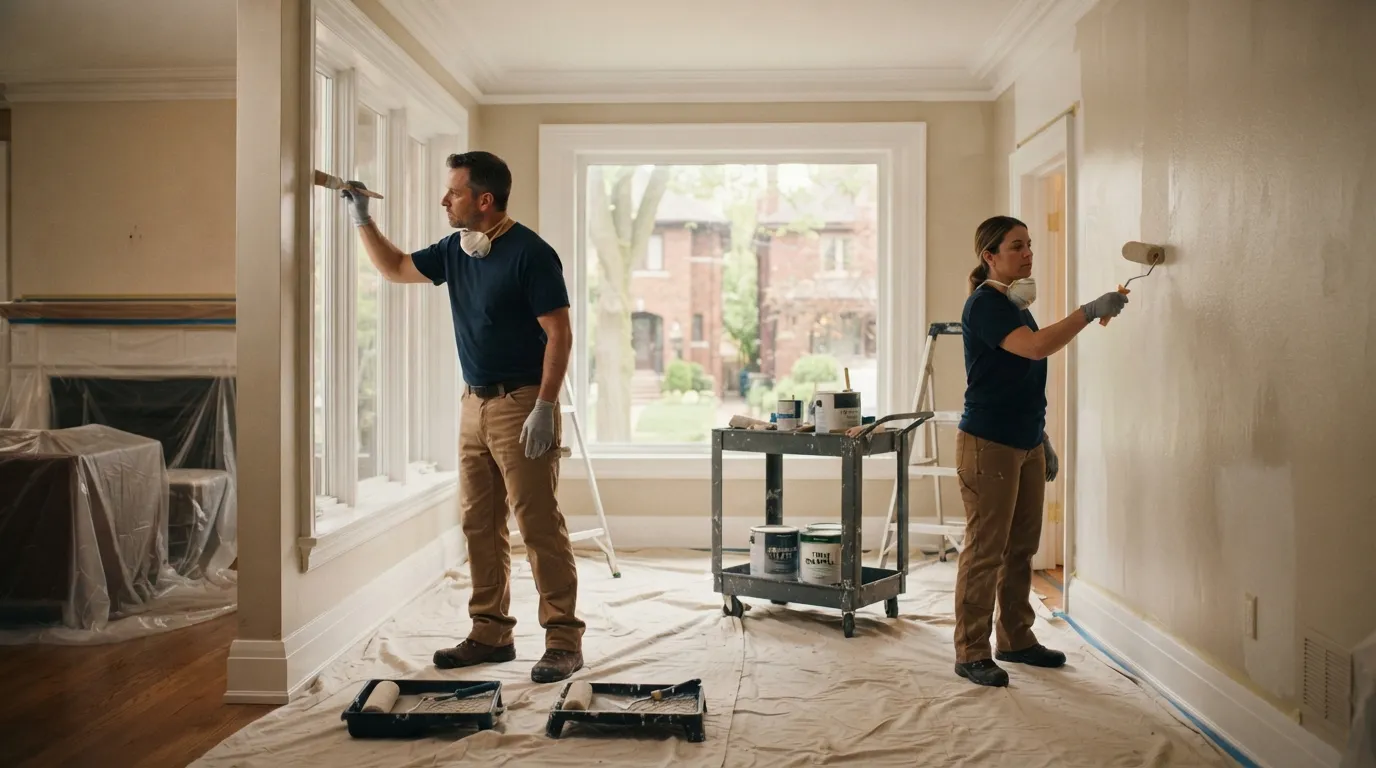
What determines professional painting costs in the GTA?
Professional painting costs in the GTA are driven by surface area and condition, materials and finish level, labour complexity and schedule, and local factors like seasonal access and permit or insurance needs—each affecting time and materials required.
Surface area and scope
Most painters price projects by the square foot or by the job’s scope: number of rooms, exterior wall surface, ceilings, trim, and built-ins. Complex trim, high ceilings, or multi-storey exteriors increase the measured area and the hours of labour.
Surface condition and prep
Prep work—repairing drywall, scraping flaking paint, sanding, caulking gaps, and priming—can be the single largest hidden cost. Surfaces in poor condition require more labour and materials and may need specialty primers or replacement of rotten wood.
Materials, finish and warranty
Paint grade (trade vs. retail), finish (flat, eggshell, satin, semi-gloss), and specialty coatings (mildew-resistant, stain-blocking, clear sealer) affect both cost and longevity. Contractors often include a short warranty; longer or written guarantees usually reflect higher-quality materials and workmanship.
Labour, access and schedule
Experienced crews, scaffolding or boom lifts for multi-storey homes, weekend or short-deadline work, and tight access (narrow laneways in older Toronto neighbourhoods) raise labour costs. Labour rates reflect skill, insurance, WSIB contributions and overhead.
Step-by-Step: What Drives Professional Painting Costs in the GTA
Below is a typical sequence showing where costs stack up on a residential painting project in Toronto and the surrounding GTA.
- 1
Initial inspection and scope
The contractor measures surfaces, checks substrate condition (drywall, plaster, wood, brick), and notes trim and specialty areas. A thorough inspection identifies hidden repairs and clarifies what’s included in the quote, which directly affects cost.
- 2
Estimate and material selection
Contractors present line-item estimates: prep, priming, paint, trim, labour, equipment, and disposal. Choosing higher-grade paints or special finishes is an early decision that increases material costs but can reduce long-term maintenance.
- 3
Scheduling and permitting checks
Scheduling determines crew size and duration; rush schedules often require overtime. For exterior work, the contractor checks with local permit offices and condo boards when applicable—in Toronto and neighbouring Mississauga or Markham, local rules vary, so verify requirements.
- 4
Prep and repairs
Crews complete scraping, sanding, caulking, filler and replacement of rotted wood or damaged drywall. Time spent here is labour-intensive but essential: under-prep leads to premature failure and higher life-cycle costs.
- 5
Painting and quality control
Application methods (brush, roll, spray) and number of coats influence labour and paint usage; trim and cabinetry require more time per square foot than plain walls. Final inspection and touch-ups are needed before sign-off; a documented punch list prevents disputes.
- 6
Final clean-up and warranty
Cleaning, disposal, and any minor callbacks are wrapped into the final invoice or warranty terms. Some contractors include a short service window for touch-ups; extended warranties or maintenance plans are extra.
Mistakes to Avoid
Homeowners can unintentionally raise cost or risk poor results by skipping steps in prep, hiring solely on price, or not clarifying scope. The tips below describe common pitfalls and how to avoid them so the job lasts and your budget stays under control.
Choosing the cheapest bid without vetting
A low bid can mean minimal prep, lower-grade paint, or inexperienced labour—leading to earlier failure and higher lifecycle cost. Ask for references, photos of prior jobs in Toronto neighbourhoods like The Annex or Leslieville, and confirm insurance and WSIB coverage.
Skipping a full inspection
Accepting a verbal estimate or overlooking hidden damage (rot, mildew, blistering) will result in change orders. Require a written scope and have the contractor list exclusions and potential repair contingencies up front.
Letting scheduling constraints force shortcuts
Pressure to finish quickly, especially around seasonal windows in Ontario, can reduce drying time between coats or eliminate needed primer. Plan projects in moderate, dry weather when possible—Toronto’s climate means spring and early fall are often best for exterior work—verify local weather and humidity for interior jobs.
Ignoring local rules and insurance steps
Condo boards, historic-district guidelines, and insurer requirements in Peel or York regions can mandate colours, scaffold placement, or permits. Confirm approvals and whether your homeowner policy requires contractor certifications before work begins.
What Affects Your Outcome
Factors that commonly change price and result:
Deadline and season
Tighter timelines or peak season (late spring–summer) increase labour rates and can force crews to work longer hours, raising cost.
Quality of documentation
A clear, written scope, photos of problem areas, and signed contracts reduce misunderstandings and change orders that add cost.
Type of insurance or claim process
If painting follows an insurance claim, insurer-approved contractors or adjuster requirements may limit contractor choice and affect scheduling; always confirm claim protocols with your insurer—practices vary by policy and company.
Local rules and permits
City of Toronto bylaws, condo rules, or heritage designations affect access, scaffolding placement, and acceptable materials—these can add permit fees or require specific coatings.
Contractor experience and crew size
A larger, experienced crew finishes faster and may cost more per hour but can reduce total project time and disruption; small crews are often cheaper but may take longer.
Material choices and finishes
Premium paints, anti-microbial coatings, or specialty primers increase material costs; the selected sheen affects labour since higher gloss needs more prep and fewer visible flaws.
Frequently Asked Questions
How much does painting a typical Toronto living room cost?
Costs vary with size and condition, but a typical living room repaint in Toronto might range broadly depending on prep and materials. Ask contractors for a line-item estimate—square footage, number of coats, prep work and paint brand should be clear—to compare bids accurately.
Do I need a permit to paint the exterior of my house in Toronto?
Most straightforward repainting jobs don’t require a building permit, but scaffolding placement, work affecting heritage properties, or changes to exterior finishes may. Always verify with the City of Toronto or your local building department and check condo boards or heritage committees where applicable.
Will my homeowner’s insurance cover repainting after water or fire damage?
Insurance may cover paint and repairs if damage is an insured peril and you follow your insurer’s claims process, but policies differ in limits, deductibles, and approved contractors. Contact your insurer early, document damage with photos, and confirm whether pre-approval or specific contractor credentials are required.
How long should a professional paint job last in the GTA?
Interior paint can last 5–15 years depending on traffic and finish; exteriors depend on exposure, material and maintenance. Proper prep, quality paint and timely touch-ups are more important than brand name alone for longevity.
Are there seasonal discounts or is it better to paint in a particular season?
Some contractors offer off-season discounts in late fall or winter, but humidity and cold affect drying and curing—interior work is less affected. Exterior projects are best scheduled in dry, moderate weather; discuss seasonal trade-offs with your contractor.
What should I include in the written estimate?
A good estimate lists surface measurements, prep tasks (repairs, sanding, priming), paint brand and number of coats, labour hours, cleanup, warranty terms and payment schedule. Clear exclusions (e.g., hidden rot, structural repairs) prevent surprises.
Get a free, on-site painting assessment
We’ll inspect surfaces, list prep needs, and give a clear, written estimate tailored to your Toronto-area home.
Get a Free Quote